.png)


Hidden Health Effects of Food Insecurity in Underserved Communities

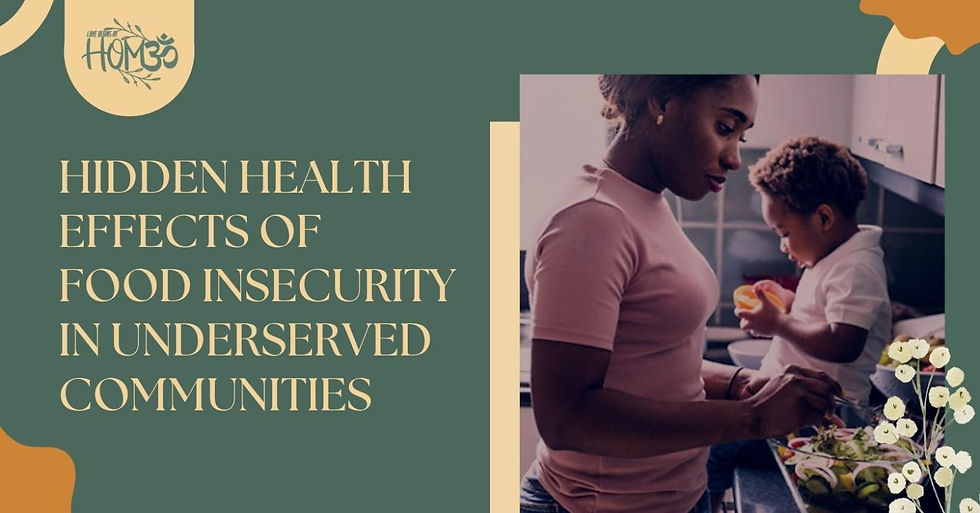
What was the last thing you ate? Was it a healthy choice? For many people, finding healthy food can be challenging. It is often too costly. When a person cannot access sufficient nutritious food, it is referred to as food insecurity. This problem is hidden in many communities.
It has significant implications related to food insecurity and health effects. It harms the mind and the body. This article illustrates the consequences of lacking healthy meals. Love Begins At Home aims to demonstrate simple ways to make food more accessible and fair for everyone.
Want to tackle food insecurity and improve health in your community? Call +1 (407) 490-3809 for a free consultation call and learn how to make a difference today.
Sickness from Bad Food
Food is the fuel for life. Bad fuel makes the body break down. Food insecurity's health effects start when good food is not available. This is a common problem in underserved communities. These areas often have few large grocery stores. They have many fast-food places. This creates what people call "food deserts."
Food insecurity means a person does not have reliable access to food. It is not just about hunger. It is about the quality of the food. It is also about the worry of where the next meal will come from. The stress of not knowing is a major part of this problem. This worry is constant. It affects every choice a person makes about food.
The Clear Link to Chronic Disease
When people cannot get good food, they eat what is cheap. Cheap food is often high in sugar. It is high in salt and fat. This diet causes serious long-term sickness. High sugar and processed foods harm the body’s ability to manage blood sugar, causing diabetes. High salt and fat raise blood pressure. They harm the heart over time. The body breaks down slowly on a poor diet. These diseases limit how long and how well a person lives.
How Food Problems Harm the Mind
Food does not just feed the body. It feeds the brain. When a person does not get enough nutrients, their mental health suffers. Worry about food causes high anxiety. This anxiety never stops. Poor nutrition affects brain chemistry. A lack of certain vitamins makes depression worse. The lack of reliable meals causes chronic stress. This stress wears down the person's ability to cope and think clearly.
Where to Find Good Food
The problem is big, but the solutions are simple. We must increase access to healthy foods in communities that need it most. This means bringing the food to the people. It means making the food affordable.
Creating access to healthy foods is about fixing the environment. It makes the healthy choice the easy choice. Some solutions bring fresh produce trucks into areas that lack grocery stores. This removes the travel problem. Other solutions let people use food aid money to buy extra vegetables. This makes healthy food cheaper than junk food. These changes help families make better choices without breaking their budget.
Nutrition Education Underserved People Need to Know
More access is only the first step. People also need to know what to cook. They need to know how to use fresh ingredients. Nutrition education in underserved communities is essential. When people have better knowledge, they can make better choices.
This education is simple. It teaches how to compare prices. It shows how to shop for the best value. It teaches people what ingredients to avoid, like too much sugar or salt. It teaches simple, cheap ways to prepare fresh food. This knowledge gives people the power to fight the sickness caused by poor diets.
The Power of Local Gardening
When people grow their own food, the healing is powerful. They feel connected. They get exercise. They get fresh food. Gardening is a great way to stay active. Being outside reduces stress. Seeing something you planted grow gives a sense of pride and hope. The results prove that local growing is a smart way to fight food problems.
Fighting for Fairness in Food
The root of food problems is not bad choices. It is a lack of fairness. Some groups have been unfairly cut off from resources for years. This must change. We must fight for Food justice and equity.
What Does Food Justice and Equity Mean?
Food justice and equity mean that every person has a right to healthy food. This food must be right for their culture. It means that the system that creates food must be fair. Fair wages are needed. Farm workers and grocery store workers must earn enough money to feed their own families.
Fair access is also key. Every neighborhood deserves a grocery store, not just wealthy areas. Government rules should make fresh food cheap and fast food costly. This focus on Food justice and equity ensures we fix the problem for good. We do not just apply a temporary fix.
Why Lack of Access Makes Sickness Worse
Lack of good food means people are always choosing the lesser of two evils. They buy cheap fast food. They know it is bad. But it is the only option that fits their budget and time. Working two jobs means no time to cook a healthy meal.
Cheap food fills you up quickly. It is better for a small budget than expensive fresh food. This cycle is hard to break. It proves that food problems are tied to unfair systems, not personal weakness.
Local Gardens and Health Benefits
We must use local solutions to solve local problems. Community gardens and health are strongly linked. When neighbors work together to grow food, the healing is powerful.
Why Community Gardens and Health are Smart
Community gardens and health offer solutions that are cheap and effective. They help people mentally and physically. Gardening is work. It keeps people active. This fights weight gain and heart problems. Being outside reduces stress. Seeing something you planted grow gives a sense of pride and hope.
The gardens also help the mind. People talk while they work. This fights loneliness, which is also a health risk. The food is free. It is the freshest food available. The gardens are a model of a healthy system. They show that local effort can overcome large problems.
The Long-Term Wellness of Growing Food
The work in the garden helps break the cycle of poor health. When families eat fresh food, their children learn better. The parents have more energy for work. This improves their financial health. Love Begins At Home knows that a solution must be holistic. It must cover the mind, the body, and the community. The simple act of planting a seed is a step toward total wellness.
Support and Action
Leo Monwell, as a licensed therapist, understands the connection between mind, body, and food. The team knows that stress from food problems needs to be addressed first. We must offer practical help before healing can begin.
How You Can Help Fight Inequality
You do not need to be an expert. You can still help fight food unfairness. We must focus on the problem of Income inequality and health.
Support Local Initiatives: Donate time or money to food banks. Help them stock more fresh produce.
Advocate for Change: Ask local officials to fund programs that bring good food to every neighborhood.
Learn the Roots: Understand the true problems of Income inequality and health to find the root cause.
These actions reduce financial stress. This directly improves health.
The Role of Education and Empowerment
The focus is on empowering people. Education is a key part of this work. When people learn, they are no longer victims of bad information. They become stronger advocates for their own families. Love Begins At Home offers tools to manage the anxiety that comes from food insecurity. We know that a calm mind makes better food choices.
Why We Must Focus on Fair Systems
We cannot stop fighting until there is a fair food system. This is not charity. It is correcting an unfair system. We want to see every child get a healthy breakfast. We want every adult to have access to food that sustains them. When we fix the food system, we fix a major part of the health crisis.
Conclusion
Food insecurity health effects are a silent killer in many communities. The lack of good food leads to stress, anxiety, and costly diseases like diabetes. We have seen that simple solutions like gardens and teaching people how to cook are essential. By working together, we can achieve true food fairness. Love Begins At Home believes we can build a world where a healthy diet is a basic right, not a luxury.
FAQs
1. What are the main sicknesses from food insecurity?
The main illnesses are a high risk of chronic disease. This includes diabetes, high blood pressure, and heart disease caused by poor, cheap diets.
2. How does learning about food help a community?
Learning about food helps by teaching simple skills. People learn how to cook cheap, healthy meals and how to read food labels to avoid sugar and salt.
3. What does having good food access truly mean for a family?
Having good food access means they can get fresh, affordable, nutritious items easily. It means they do not have to travel long distances or choose between medicine and food.
4. How do local gardens help a neighborhood?
Local gardens help by providing fresh produce, exercise, and social connection. They reduce isolation and offer a safe outdoor classroom.
5. What is the goal of a fair food system?
The goal of a fair food system is to correct the unfairness. It makes sure every person, no matter their income or location, has the right to healthy, sustainable food.


Comments